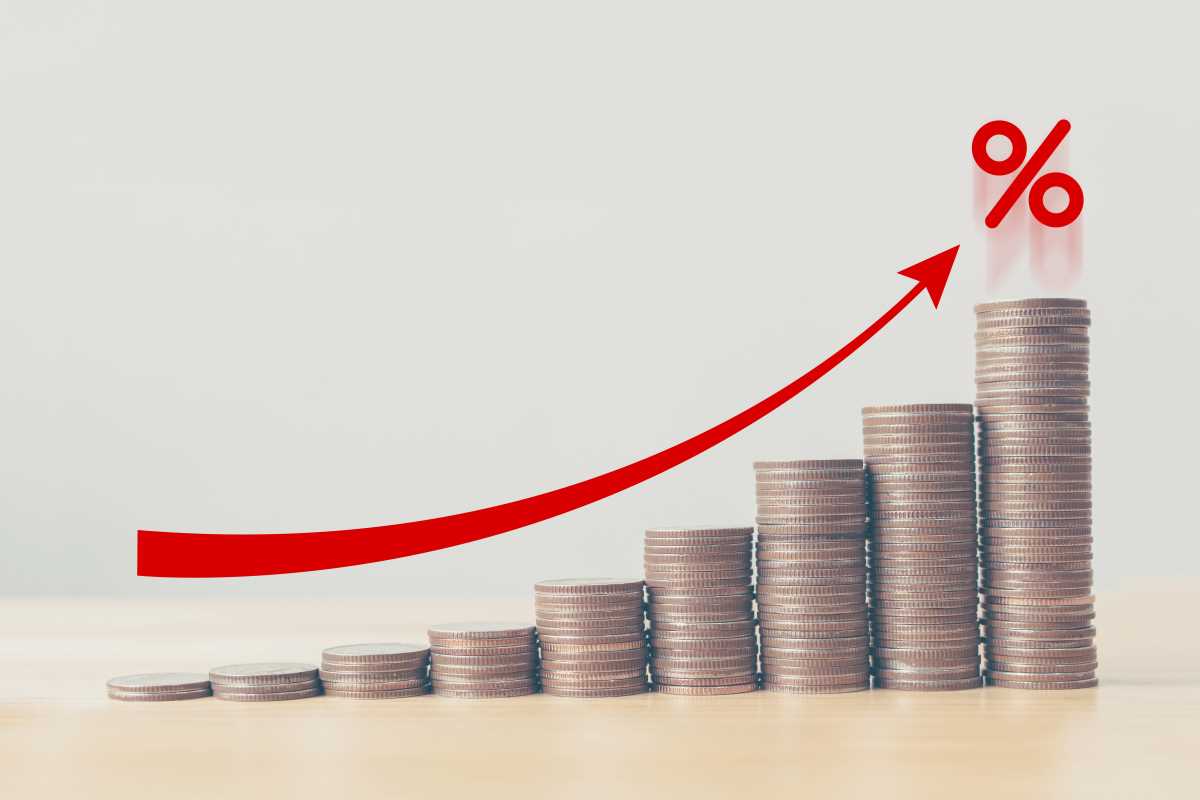
Have you looked at your bank account lately and wondered where all your money went? You are not imagining things. Even if you got a decent raise recently, it probably feels like your paycheck is shrinking. That is the frustrating reality of inflation.
To put it simply, inflation is the speed at which your money loses its buying power. Think of it like a slow leak in a tire. You might not notice it immediately, but eventually, you are riding on the rim. In May 2026, the Consumer Price Index jumped to 4.2 percent, which is the fastest annual pace we have seen in three years.¹
When prices rise faster than your income, you are effectively taking a pay cut. John Roberts from Northwestern Mutual points out that inflation remains top of mind for people because they get reminded of it every single day in their normal lives.² It is that nagging feeling at the checkout counter. But you do not have to just sit back and watch your savings erode. You can take control of your money with the right approach.
The Grocery Store Squeeze Needed Spending Shifts
Let's talk about the most obvious place you feel the pinch: the grocery store. Have you noticed that your weekly food run costs almost double what it did a few years ago? You are not alone.
By April 2026, overall food costs were more than 20 percent higher than they were in early 2022.¹ That means a cart of groceries that set you back $100 a few years ago now costs over $120 for the exact same items. Extreme weather in places like Brazil and Vietnam has also damaged crops, keeping everyday staples like coffee and beef incredibly expensive.
But the squeeze does not stop at the supermarket. Housing has become the single largest contributor to this problem. In May 2026, housing costs accounted for 1.6 percentage points of the overall inflation rate. That means two-fifths of all inflation is driven by shelter alone. Housing costs now consume 25 percent to 60 percent of wages in most markets, making it incredibly hard for renters and hopeful homebuyers to get ahead.
Transportation costs are also hitting household budgets hard. In 2025, nearly 20 percent of new car loans carried a monthly payment of $1,000 or more. Combine that with volatile gas prices driven by geopolitical conflicts, and simply getting to work becomes a major budget drain.
This squeeze forces families to make tough choices. When the basics cost more, something else has to give. To keep your kitchen stocked without going into debt, you have to change how you shop.
• Buy store brands: Ditching name brands is the easiest way to cut your bill by 20 percent without changing what you eat.
• Embrace frozen foods: Frozen fruits and vegetables are just as nutritious as fresh ones, but they last longer and cost less.
• Plan meals around sales: Look at the weekly store flyer before you make your grocery list, not after.
Personal Finance Planning in an Inflationary Environment
The old way of budgeting is officially broken. If you are still trying to stick to a rigid, set-and-forget budget, you are probably feeling highly frustrated. Why? Because prices are moving too fast for static numbers to work.
When gas prices fluctuate and grocery bills jump from week to week, a strict budget category will fail. You need a flexible plan that can breathe. Instead of budgeting an exact dollar amount for your expenses, start using spending ranges.
Like, instead of allocating exactly $150 a week for groceries, set a range of $140 to $180. If you hit the high end of the range because milk and eggs spiked, you can easily pull back on discretionary spending, like skipping your Friday takeout, to balance things out. This dynamic approach keeps you in control without making you feel like a failure when prices change.
Beyond the Basics Protecting Your Long-Term Financial Health
Inflation does not just hurt your weekly grocery run. It also quietly attacks your long-term financial goals. Because the Federal Reserve kept interest rates high to fight rising prices, borrowing money has become incredibly expensive.
If you carry a balance on your credit cards, you are likely paying record-high interest rates. Paying off this high-interest debt needs to be your absolute top priority. Think of it this way: paying off a card with a 20 percent interest rate is the exact same as getting a guaranteed 20 percent return on your money.
At the same time, you cannot let your hard-earned savings sit in a basic bank account. Traditional savings accounts pay next to nothing, meaning your cash is actively losing value to inflation every single day.
• High-Yield Savings Accounts: Move your emergency fund to an account yielding above 4 percent to keep your cash growing.³
• Treasury Inflation-Protected Securities: For longer-term savings, these government bonds adjust their value based on inflation.
• Keep investing: Do not pull your money out of the stock market out of fear. A diversified portfolio of stocks is one of the best ways to outpace inflation over time.³
Taking Control Helping Your Economic Future
It is easy to feel helpless when global economic forces mess with your money. But you have far more power over your household budget than you think. Taking charge starts with a quick audit of where your money actually goes.
Start by hunting down invisible costs. We all have them: the streaming service we forgot to cancel, or the gym membership we do not use. Cancel them today. Next, call your internet and insurance providers to negotiate your rates or switch to cheaper, online-only carriers. These small changes can easily free up an extra $100 a month.
Finally, try using the 1 percent rule. Michael Gainor from Wells Fargo Advisors suggests increasing your retirement contributions by just 1 percent when you get a raise. Since you are already used to your current budget, you won't even notice the difference, but your future self will thank you.
Building financial resilience in 2026 is about being proactive. By making small, intentional shifts today, you can protect your wallet and build a secure financial future, no matter what happens to the economy.
To help you handle these rising costs and optimize your household budget, here are some of the best tools and services available today.
Sources:
1. CBS News
https://www.cbsnews.com/projects/2026/price-tracker/
2. Northwestern Mutual
https://www.northwesternmutual.com/life-and-money/concerned-about-inflation-5-steps-to-take-control-of-your-finances/
3. U.S. Bank
https://www.usbank.com/investing/financial-perspectives/investing-insights/how-does-inflation-affect-investments.html
*This article on kolimba.com is for informational and educational purposes only. Readers are encouraged to consult qualified professionals and verify details with official sources before making decisions. This content does not constitute professional advice.*